Choosing the right chocolate for client gifting can feel like navigating a minefield of flavors, budgets, and expectations. It’s a sweet business decision that, if mishandled, can leave you with a box of truffles that no one wants to touch. In this guide we’ll unpack the most common pain points when selecting chocolate for client gifting, share a quick anecdote, sprinkle in a relevant quote, and help you make a choice that’s both delightful and professional.
The High‑Stakes World of Client Gifting
Client gifting isn’t just a courtesy; it’s a strategic touchpoint that can reinforce relationships, showcase brand values, and even influence future business. When chocolate is the medium, the stakes rise because everyone loves chocolate, but everyone also has personal preferences, dietary restrictions, and Homepage expectations about quality.
Why Chocolate Still Rules
- Universally appealing: Most people enjoy chocolate, making it a safe bet for diverse audiences. Symbolic: It represents indulgence, gratitude, and a moment of pause. Customizable: From dark to milk, single-origin to blended, the options are endless.
Yet, this abundance can also be a curse. Let’s dive into the key pain points that often trip up even seasoned gift planners.
Pain Point #1: Balancing Quality and Cost
The Tightrope Walk
You want Check out the post right here to impress, not bankrupt your budget. The challenge is finding a chocolate that feels premium without breaking the bank.
- Premium brands: Offer artisanal flavors but come with a hefty price tag. Mass‑market options: Are cheaper but may lack the wow factor.
Practical Tips
- Set a clear budget before research begins. Compare unit prices (e.g., price per gram) to gauge value. Consider bulk discounts from reputable chocolatiers.
Anecdote
Last quarter, a marketing director sent out a box of high‑end truffles to a key client. The client’s accountant later replied, “It’s delicious, but we’re not sure if we should pay for it.” A classic case of “too much chocolate, too little ROI.”
Pain Point #2: Navigating Dietary Restrictions
The Modern Client’s Checklist
- Gluten‑free and nut‑free preferences are increasingly common. Vegan options require no dairy or animal products. Allergy‑friendly labeling is essential to avoid legal headaches.
How to Ensure Compliance
- Ask your supplier for ingredient lists and allergen statements. Label clearly on the packaging or accompanying card. Offer a variety if you’re uncertain about the recipient’s restrictions.
Rhetorical Question
How many times have you sent a chocolate gift that turned out to be a nightmare because of hidden allergens? The answer should be zero.
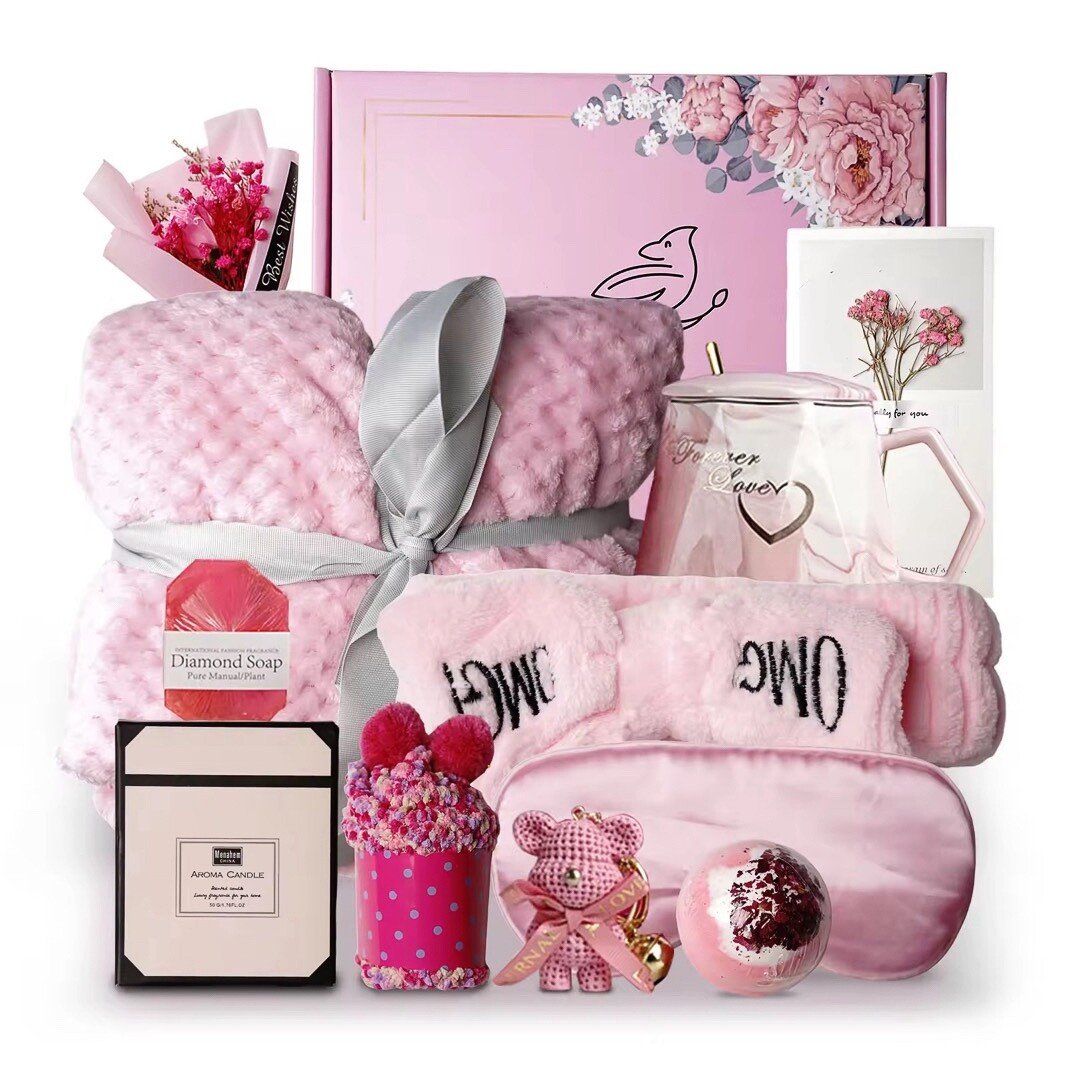
Pain Point #3: Matching Brand Identity
The Visual and Tactile Connection
Your client’s chocolate should feel like an extension of your brand’s personality. If your brand is sleek and modern, a minimalist packaging design will resonate. If it’s whimsical, a playful design might be better.
- Color palettes should echo your brand colors. Logo placement should be tasteful, not overpowering. Packaging materials can signal sustainability or luxury.
Quick Checklist
- Does the packaging reflect our brand’s voice? Is the chocolate’s flavor profile aligned with our market positioning? Does the gift convey the message we want to send?
Pain Point #4: Timing and Logistics
The Delivery Dilemma
Chocolate is perishable. Shipping it to a client in a different time zone or across borders can lead to spoilage or delayed arrival.

- Shelf life: Most premium chocolates last 3–6 months if stored properly. Shipping conditions: Temperature control is critical. Customs clearance: Extra paperwork can delay delivery.
Solutions
- Choose local suppliers when possible. Use insulated packaging with ice packs for long‑haul shipments. Plan ahead: Send gifts at least two weeks before the event.
Pain Point #5: Cultural Sensitivities
Chocolate in a Global Context
What’s a chocolate favorite in one country may be a no‑go in another. Some cultures avoid chocolate altogether or have specific preferences for cocoa content.
- High‑cocoa is popular in Europe but may be too bitter for some. Milk chocolate is a universal favorite but may not fit a “health‑conscious” brand image. Regional specialties can add a personal touch but require research.
How to Avoid Cultural Faux Pas
- Research the client’s background before ordering. Ask for preferences if you’re uncertain. Include a note explaining the choice, turning it into a conversation starter.
The Sweet Spot: Combining Insight with Action
A Real‑World Example
A mid‑size tech firm wanted to thank a new partner. They chose a line of single‑origin dark chocolate, wrapped in recycled paper with a custom logo. The chocolate was vegan, gluten‑free, and shipped from a local artisan who used a temperature‑controlled courier. The client not only enjoyed the gift but also highlighted it in a press release, giving the tech firm unexpected publicity.
What Made It Work?
- Aligned with brand values (sustainability, health). Met dietary needs (vegan, gluten‑free). Delivered on time with no quality loss. Culturally appropriate for the client’s market.
Making Your Selection Count
Choosing chocolate for client gifting isn’t just about picking the prettiest box. It’s about weaving together quality, cost, compliance, brand alignment, logistics, and cultural awareness into one seamless package. By anticipating the most common pain points and addressing them proactively, you can transform a simple gift into a powerful business tool.
Remember, as the wise chocolate aficionado once said, “The best chocolate is the one that brings people together.” Use that insight to guide your choices, and you’ll leave a lasting impression that’s sweeter than any truffle.